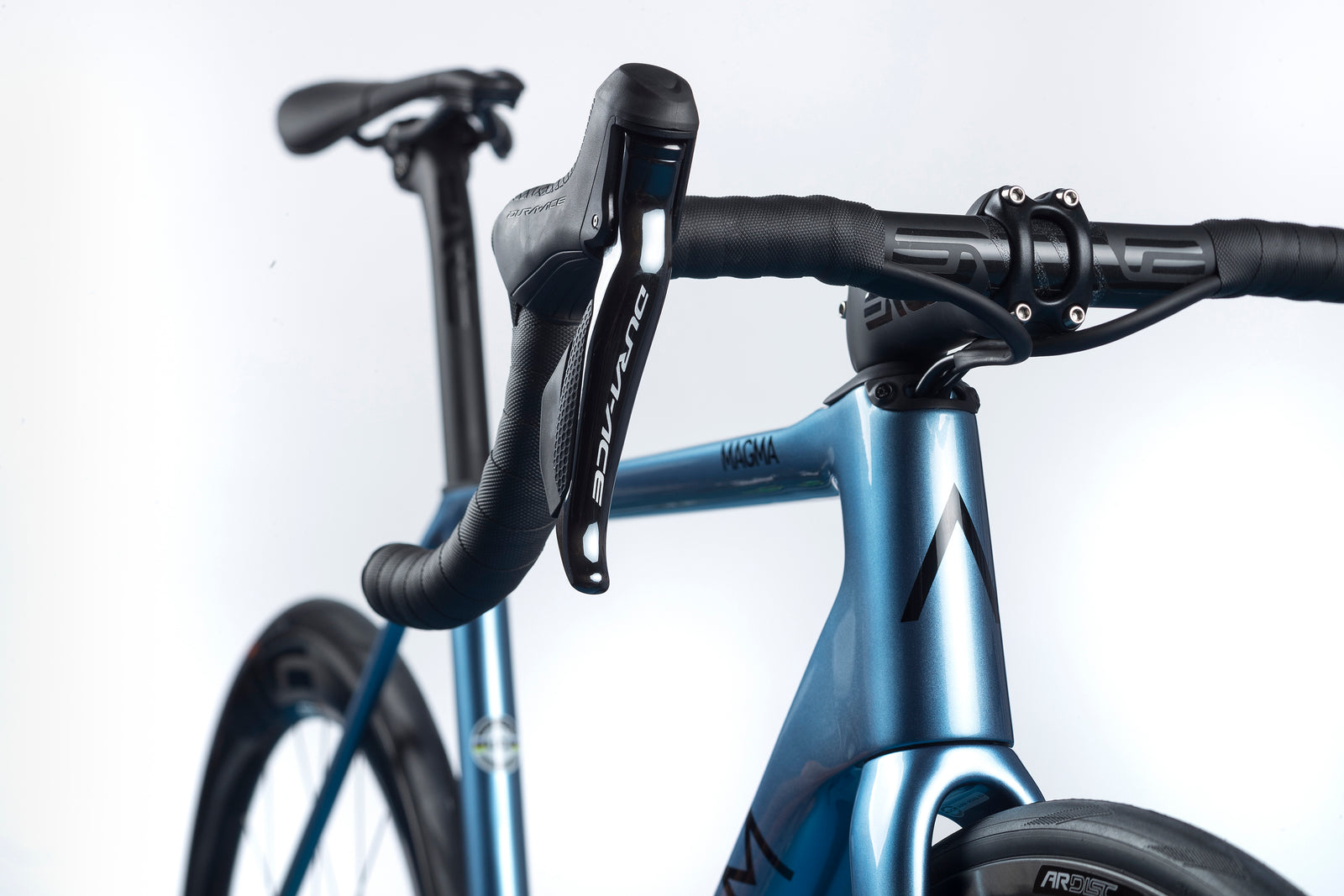

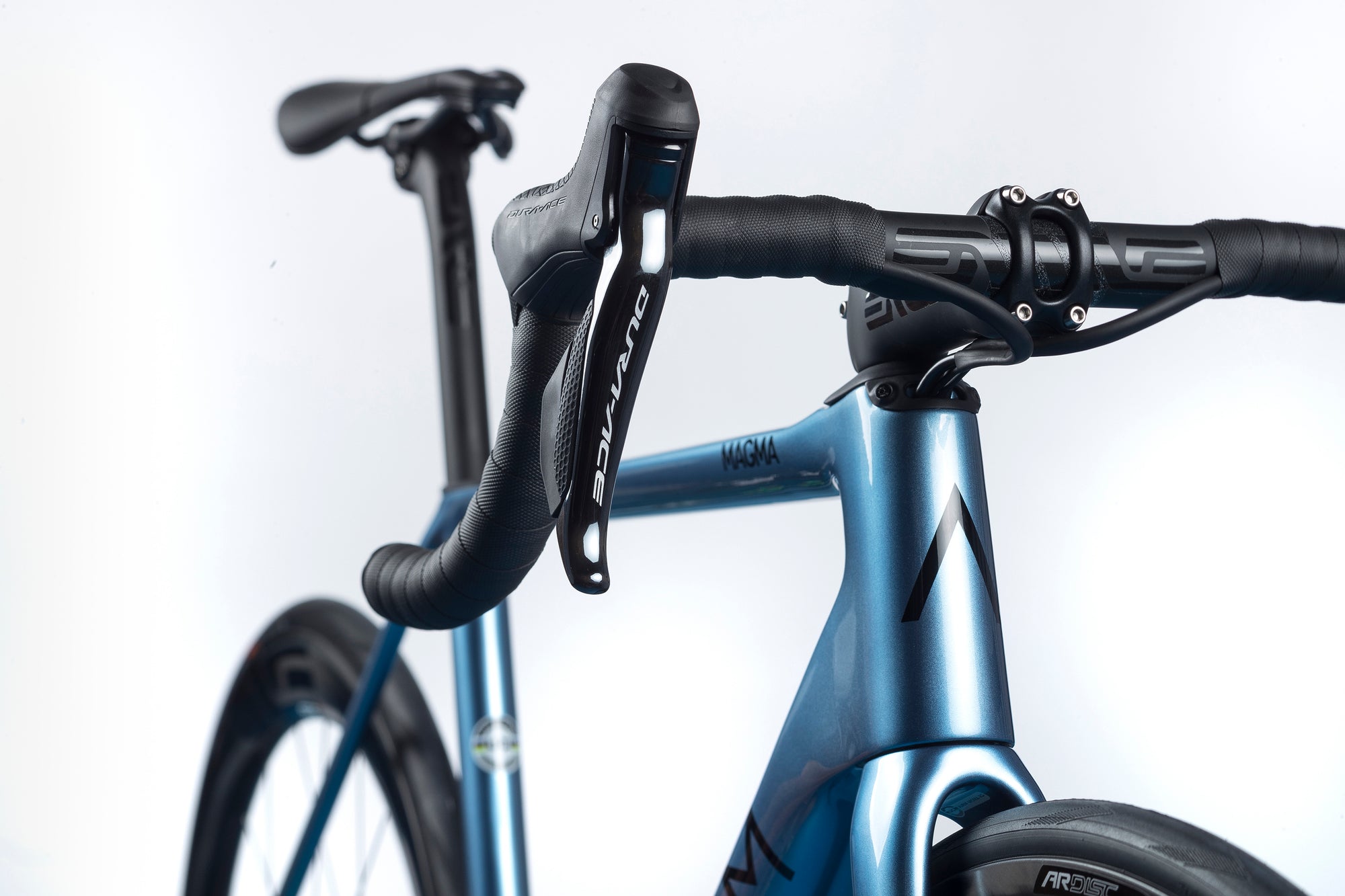

After retiring from professional racing, Alberto Contador and Ivan Basso founded their own bicycle brand, AURUM. With more experience than anyone else and at the top of the cycling industry, they had the same goal: to create the fastest racing road bike ever made. The essence of the brand, and the aim of its first model, the Magma, was to create the fastest racing road bike, uphill or downhill, on flat roads or winding mountain passes, smooth pavement or rough terrain. This had to be proven not just on a computer or in a lab, but ultimately on the road.
During the Magma's development, Contador and Basso spent countless hours testing various prototypes, making sure the geometry values were right in terms of both handling and fit, a crucial step in fine-tuning the bike's riding characteristics.
These characteristics are very important and are determined not only by the shape and size of the frame and fork tubes, but also by the materials used to mold them.

Alberto and Ivan used various grades of carbon fiber to test various fiber orientations and layups on prototypes. Of course, by the time of the testing stage, AURUM's carbon fiber engineers had already reached a certain level of frame design using the vast amount of data accumulated in the test lab.
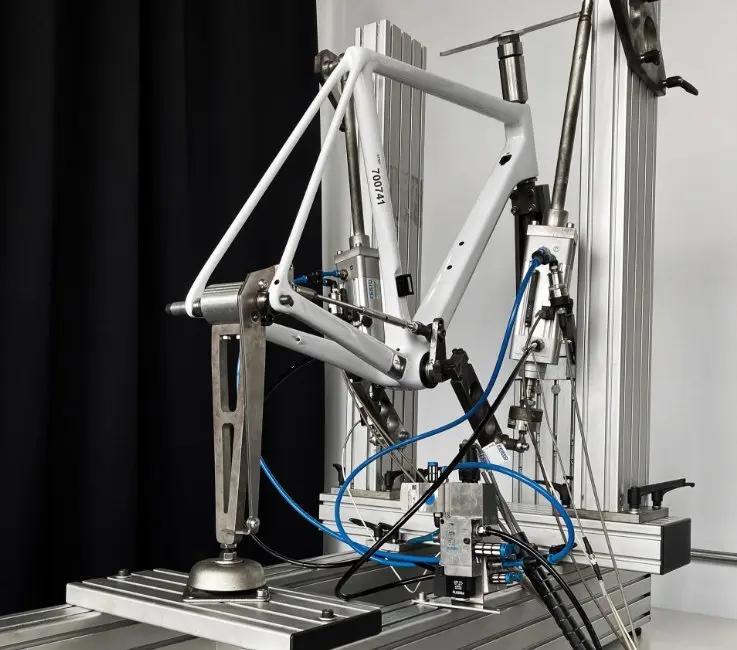
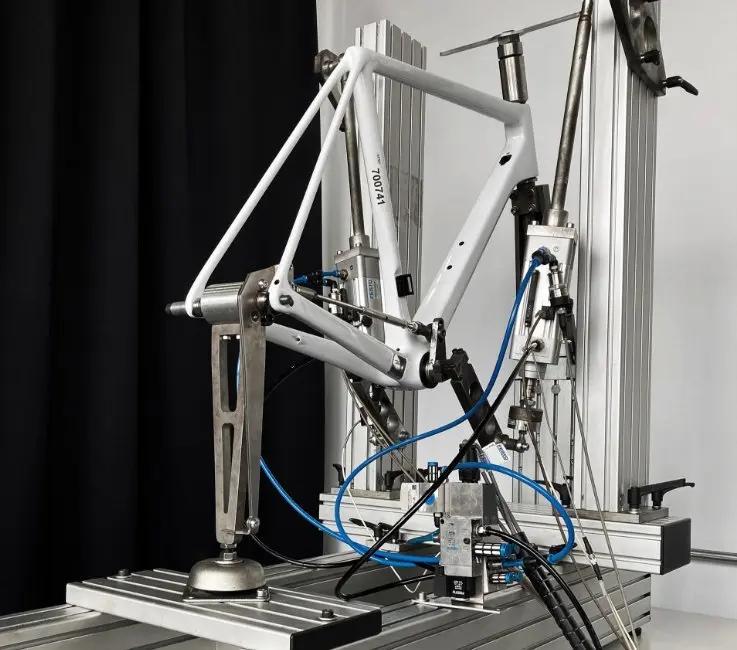
Before the two former pro road racers sat in the Magma saddle, the frame and fork had undergone rigorous testing beyond the usual bicycle industry and European standards to ensure structural safety and robustness.
But beyond that, what separates a great bike from a so-so one is ride quality, which was set as the project's main goal, and balanced riding characteristics (stiffness, comfort, lightness and aerodynamics all working in harmony).Indeed, it was Contador and Basso's main motivation for embarking on this entrepreneurial venture.
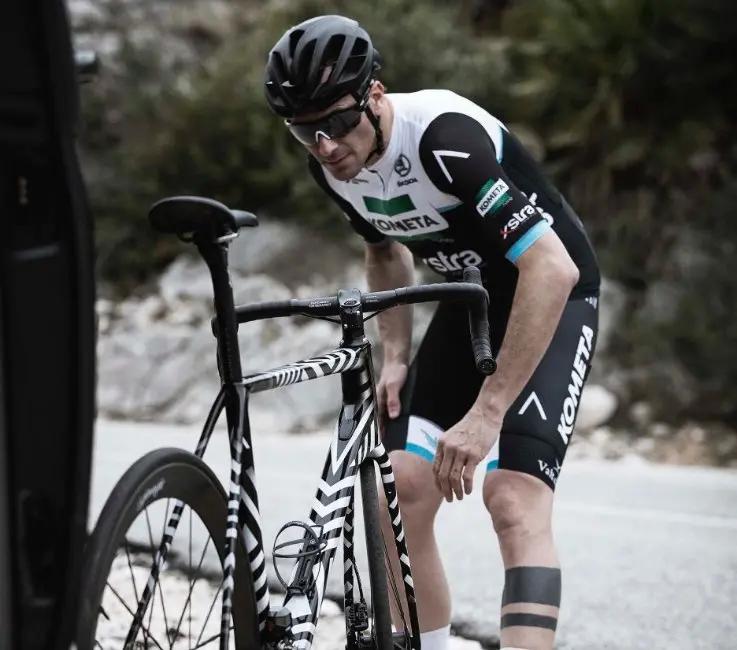
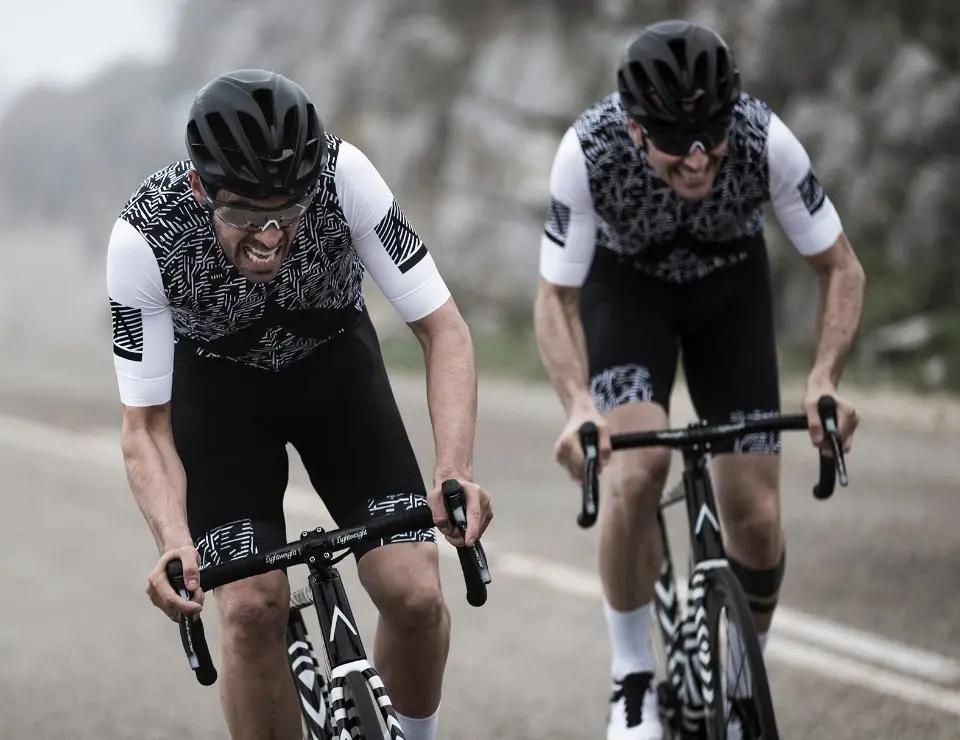
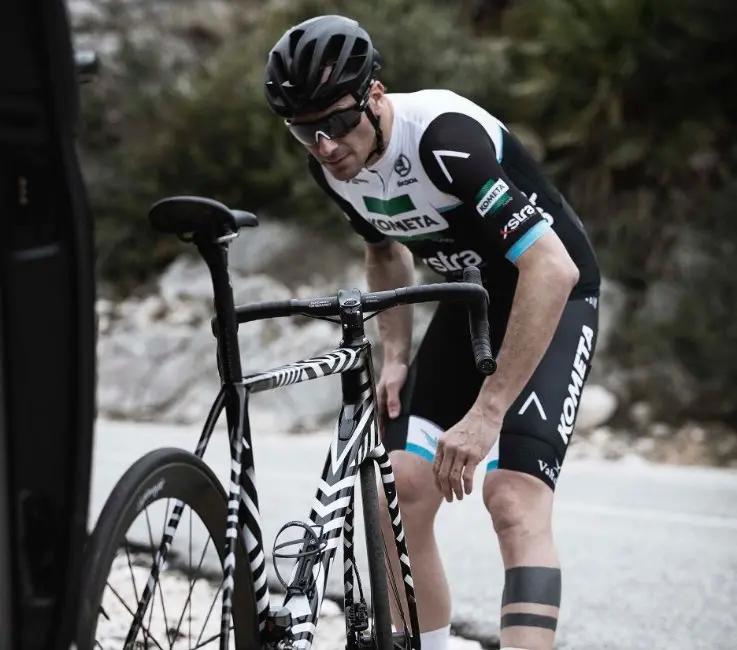
Over the course of a year, Contador and Basso have been testing the Magma prototype on a variety of roads and terrains, some in stealth black, some in hidden "zebra" paint, to keep the project under wraps.
By fitting the test bike with components and wheels from a variety of brands, they were able to accurately gauge the frame's responsiveness and provide valuable feedback to AURUM's engineering team for further development.
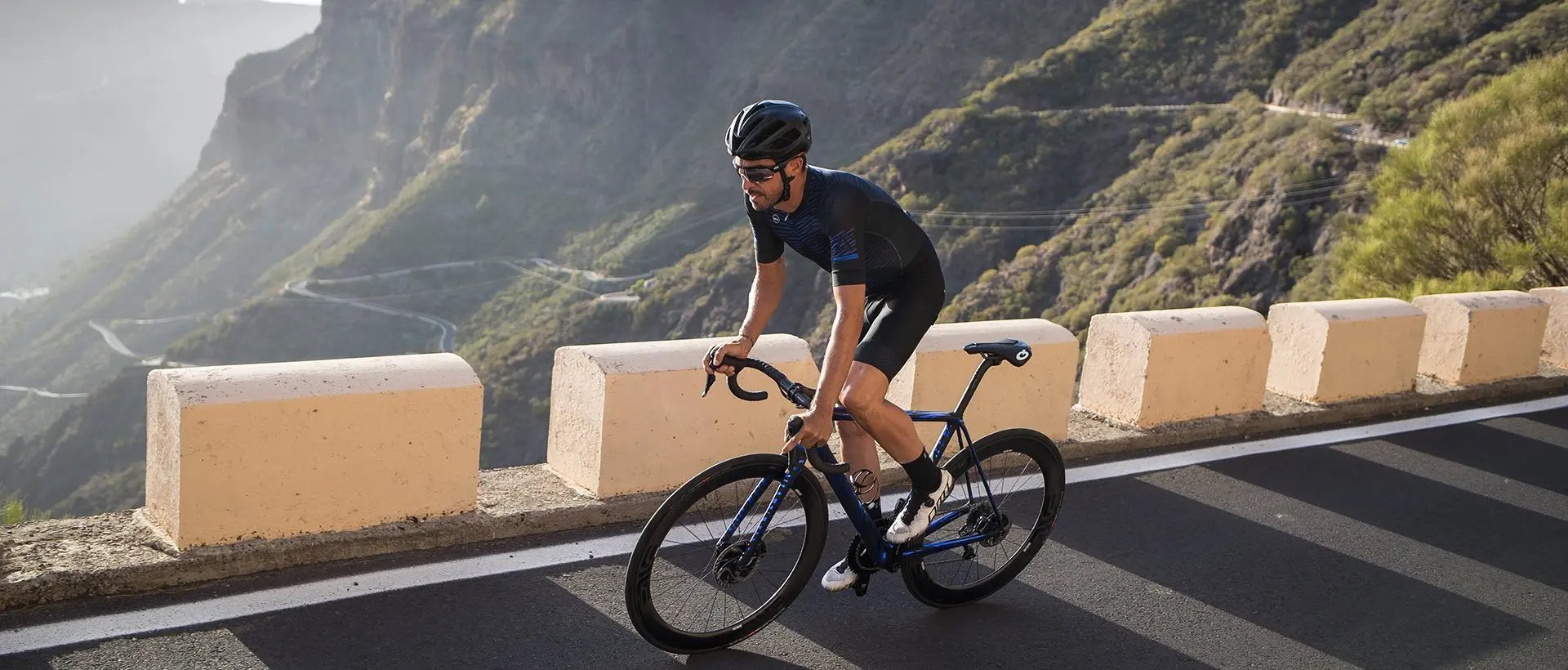
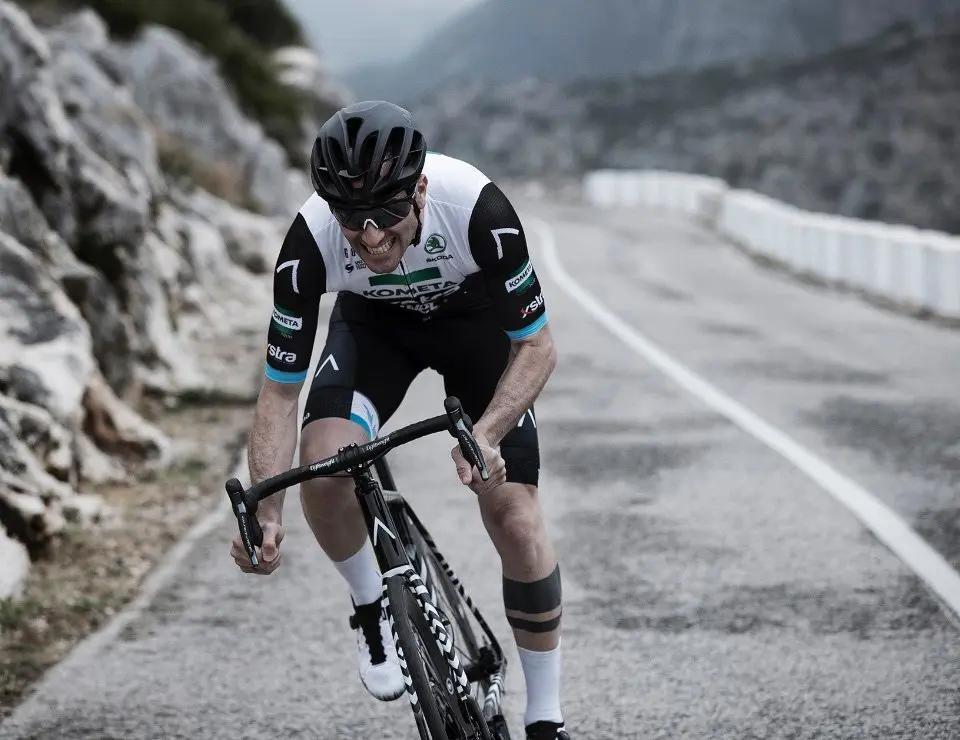
One of the most intense tests for Magma was Everesting with Contador, a challenge he was determined to test himself as much as the bike.
On the narrow, rough and steep mountain roads, Alberto knew it was important to evaluate how the bike would behave when he pushed himself to the limit: he tackled 20% gradients both uphill and downhill to check the bike's stiffness under power and its stability at speeds above 80km/h, braking only to make a U-turn to repeat the cycle again, 78 times.
Alberto Contador
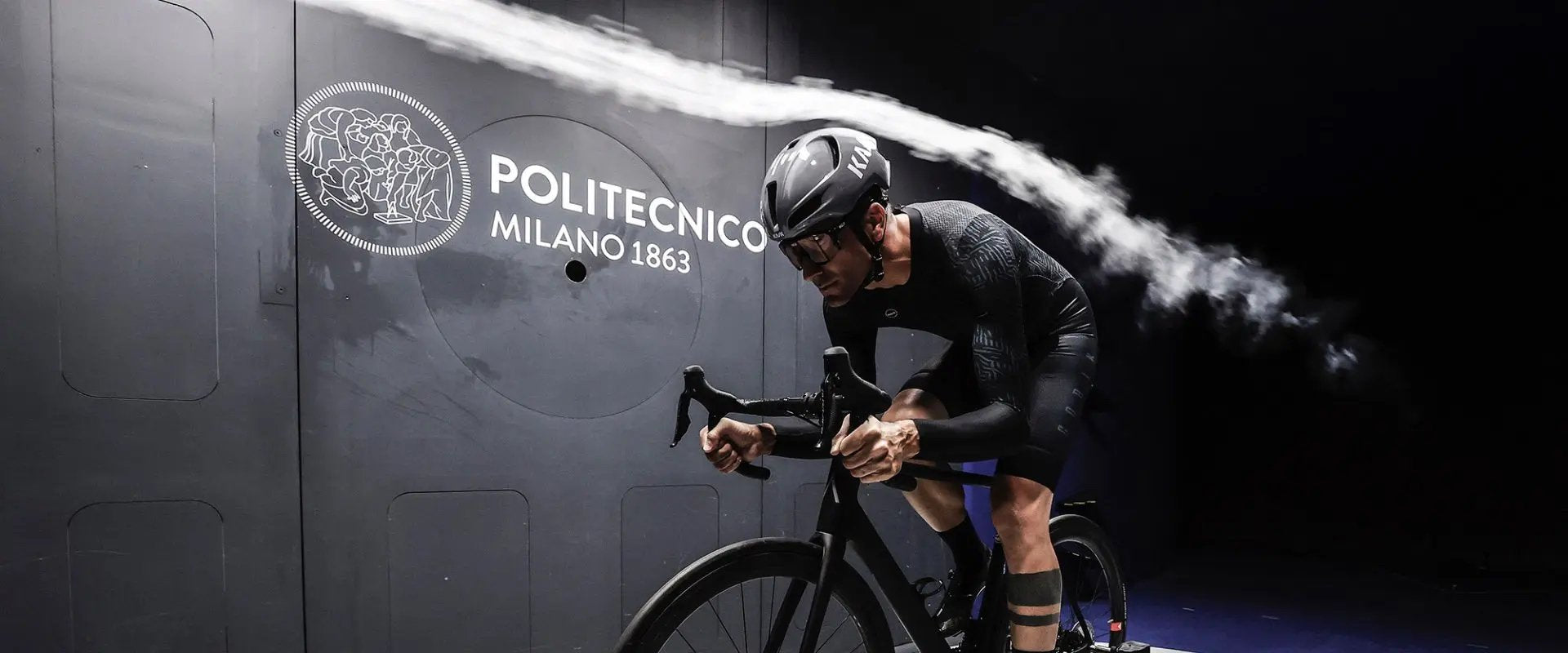
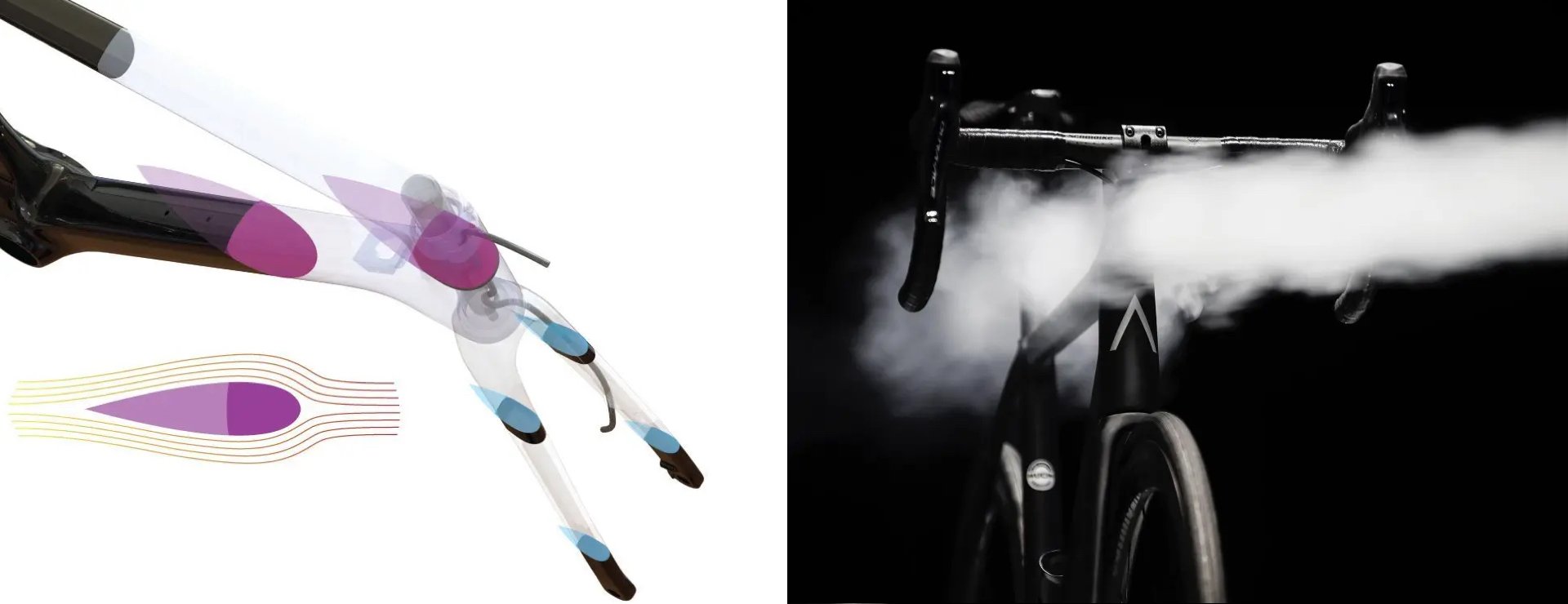
The Magma's testing phase involved numerous trips to the wind tunnel, and in the early stages of design, the frame and fork were 3D printed and aerodynamics were analysed using computer-aided fluid dynamics (CFD), which allowed for iterative refinement and adjustment of the airfoil tubes.
Once the molded prototype was complete, AURUM returned to the wind tunnel to collect a lot of data by replicating various brands of wheels and components, various frame sizes, and rider riding forms to verify the aerodynamic performance of the finished bike.
Subsequent testing compared the Magma to other top-tier road bikes, and the results were very encouraging, confirming that months of hard work in frameset design and development were warranted.
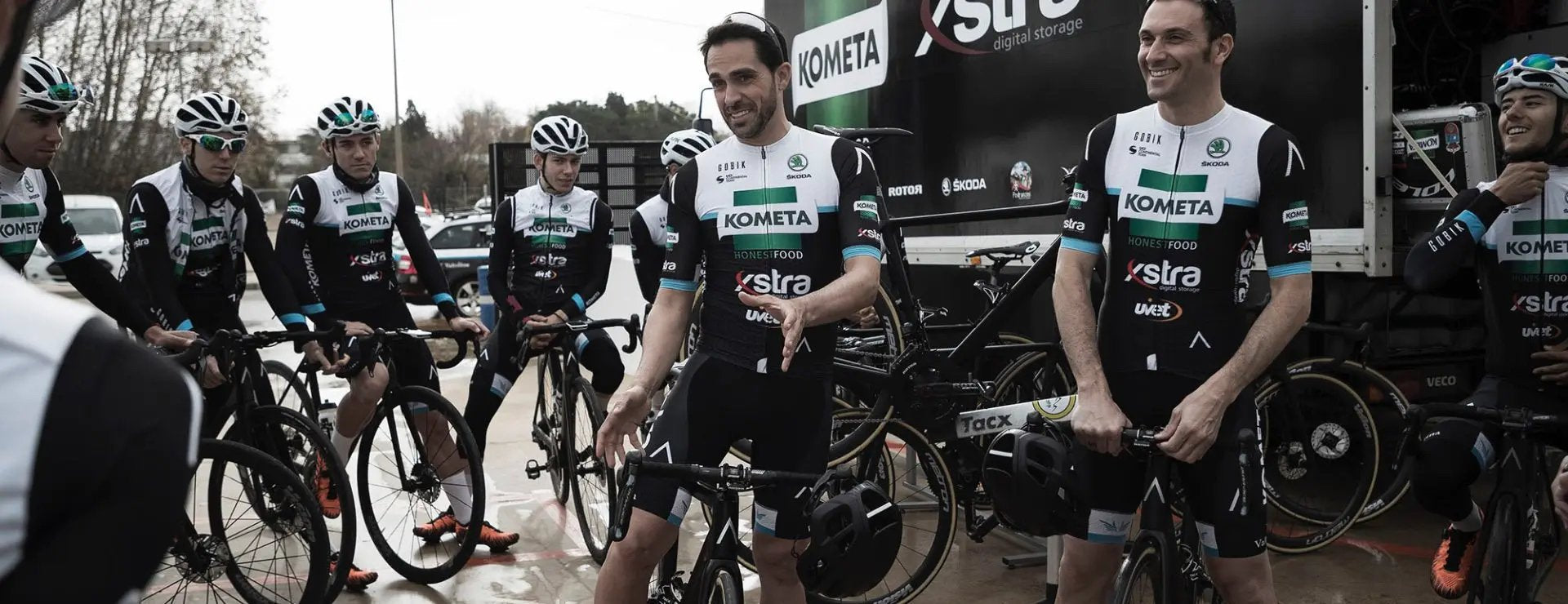
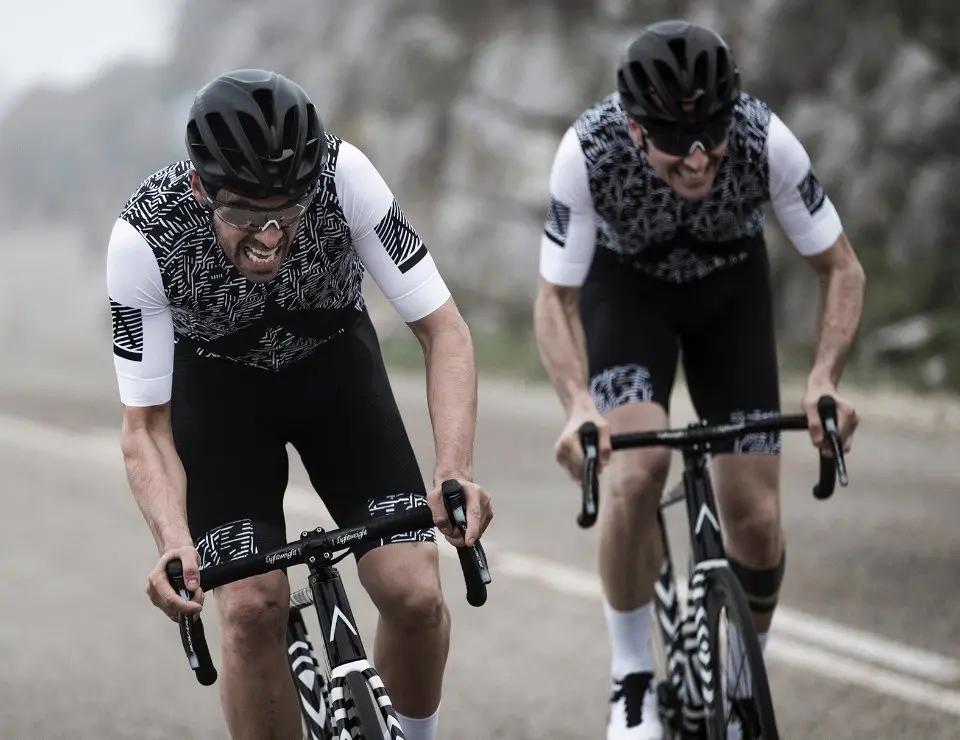
During the 2020 season, the Fundación Alberto Contador Development Team (including the Kometa-Xstra Continental team) has also contributed significantly to the development and testing of the Magma.
A total of 50 riders, ranging from juniors to under-23s and continental semi-pro riders from across Europe, worked alongside the team's mechanics, providing valuable feedback on the product and achieving success in cycling races.